Glue gun sticks


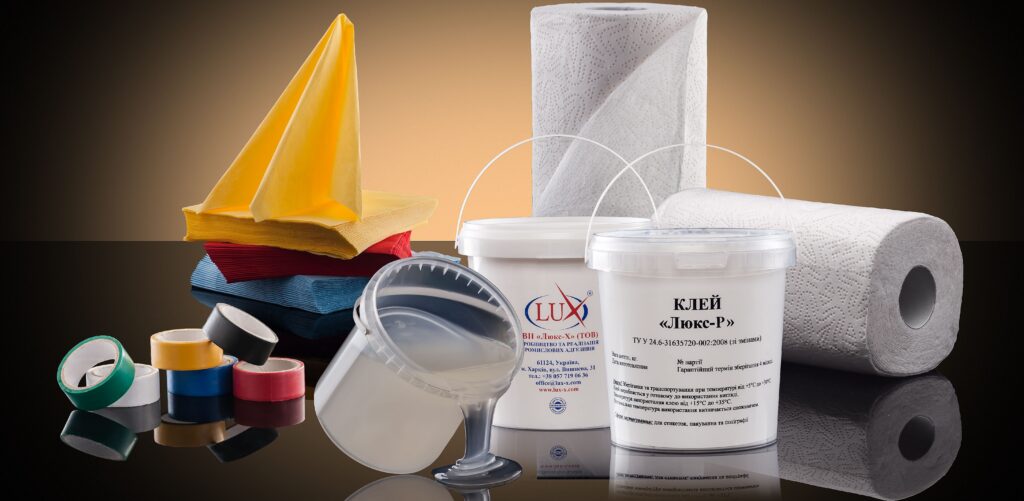
In the product line of our company's products you will find a quality and safe glue for use in various fields.
Read article
Autumn is not only a time to sum up the construction season but also a critical period for preparing any concrete and mineral surfaces for winter conditions. Paving tiles, foundations, open balconies...
Read article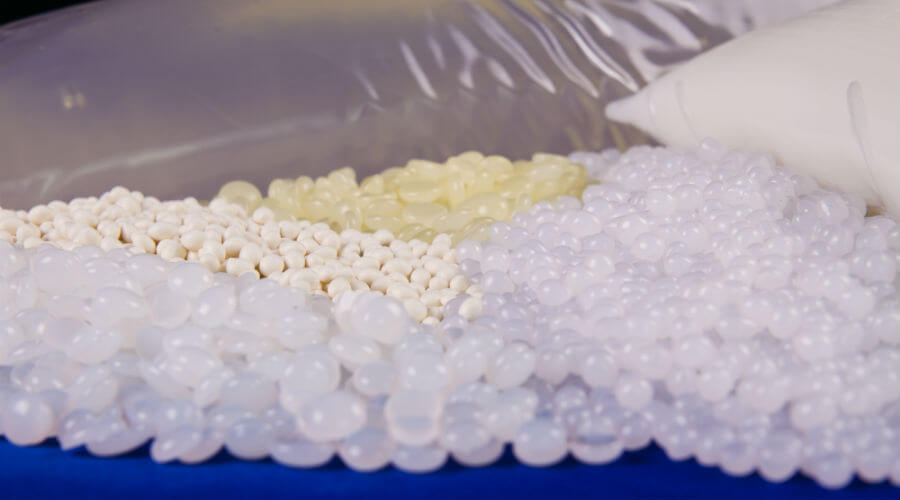
Hot melt is applied for bonding substrates used for different applications in almost every industrial field. It is extremely important to choose a high-quality hot melt adhesive for gluing different m...
Read article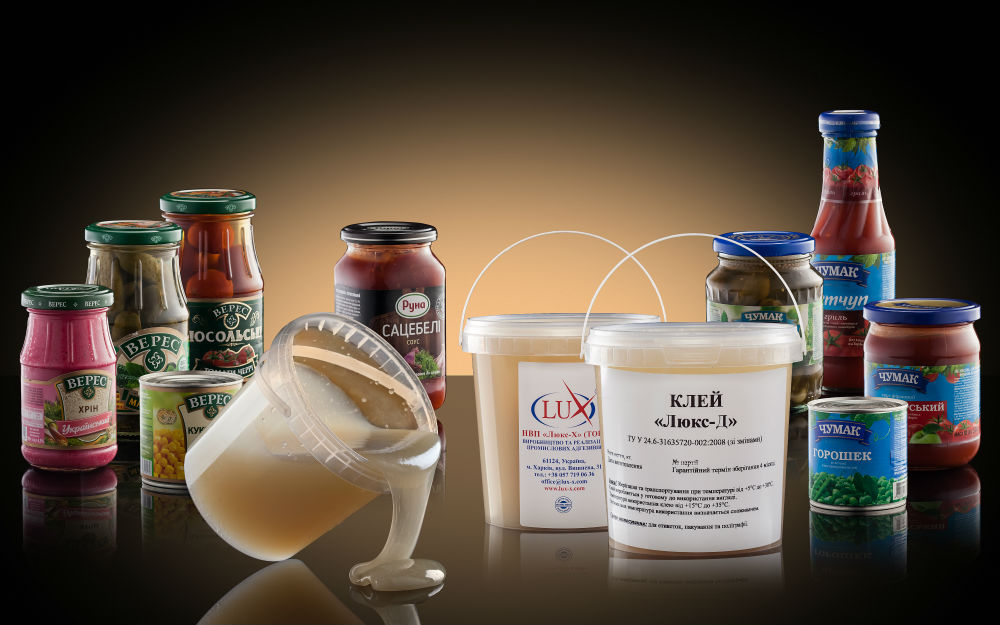
Starch is a natural plant polymer. It is most often produced from corn, potatoes, and wheat. Due to its unique properties and specific characteristics, starch has found application in industrial production.
Read article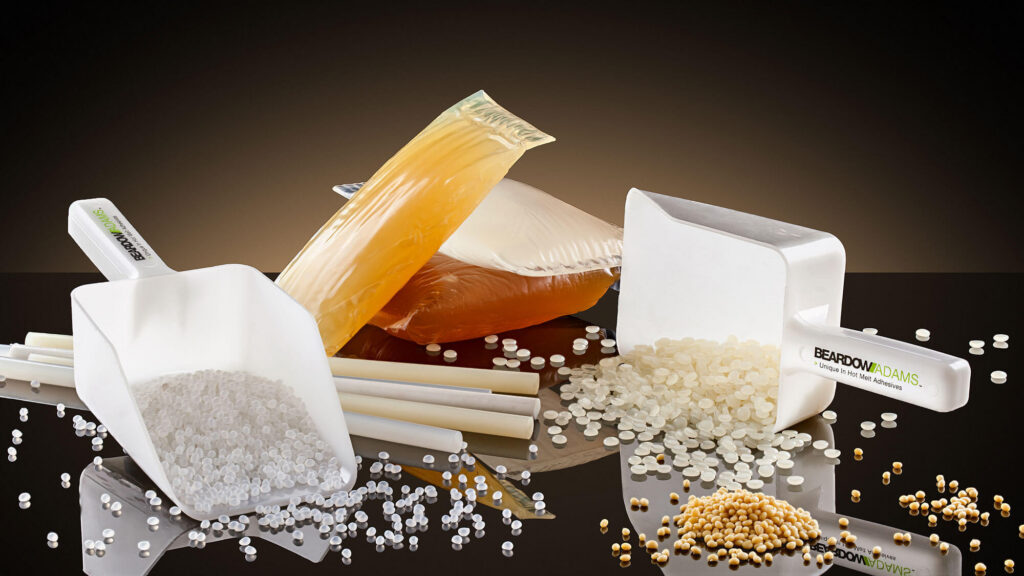
Today, let's talk about the hot melt or hot melt adhesive, its application and how to choose the right one so that it can effectively perform the work in accordance with the task at the enterprise.
Read article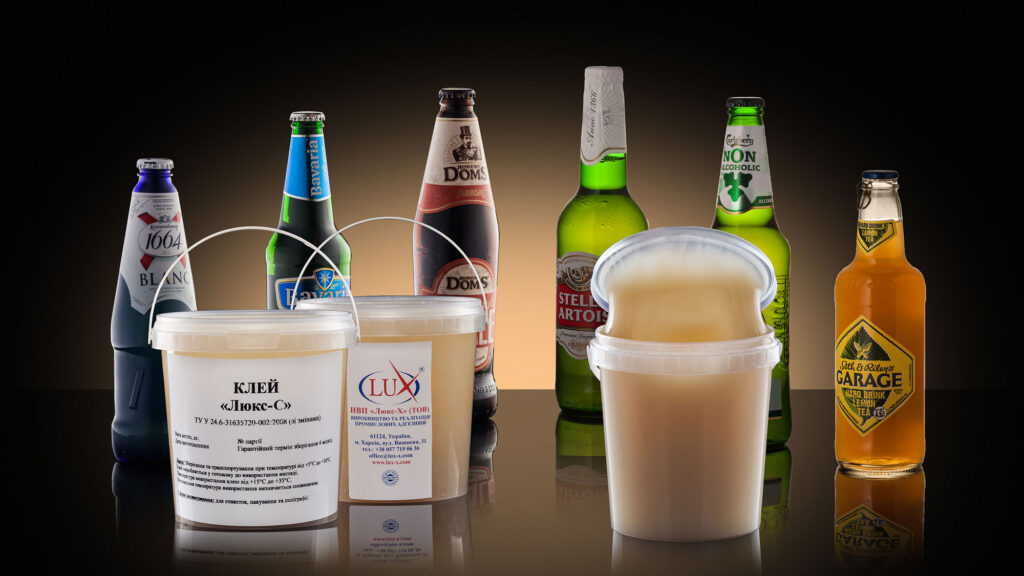
Natural polymer adhesives or bioadhesives are products made from animal and vegetable raw materials.
Read article
The food packaging industry is home to a variety of packaging, from high glosses that boost shelf appeal to wax boxes that increase functionality. While these unique packaging materials offer a competitive edge in the food industry, they are much more difficult to adhere to and often require specialized adhesives.
Read article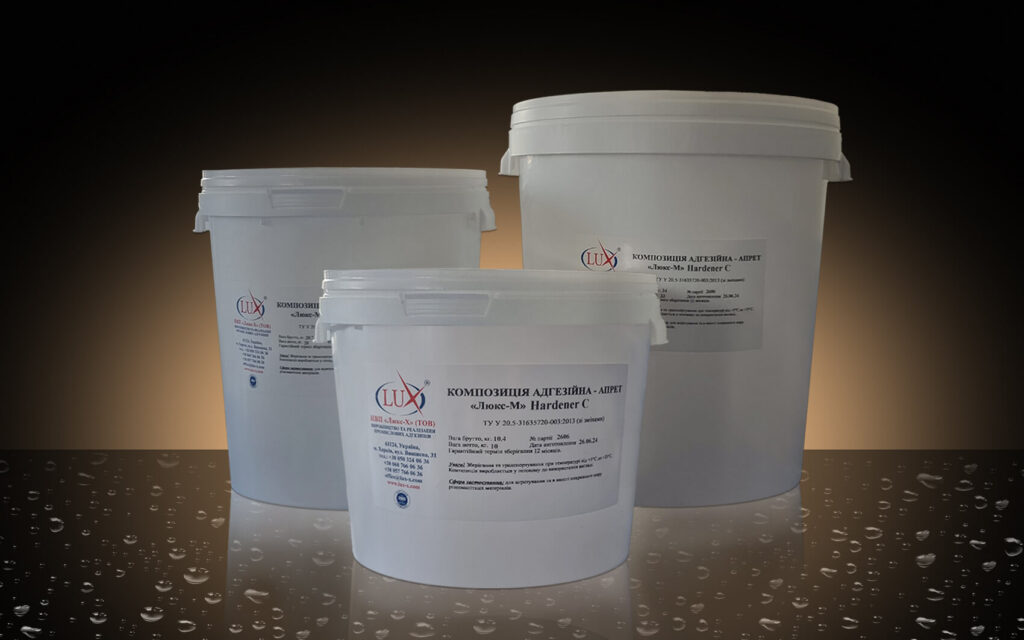
Concrete is one of the most durable construction materials, which is why it is used to construct military and civilian structures, including shelters, industrial, commercial, administrative buildings, infrastructure, warehouses and residential buildings.
Read article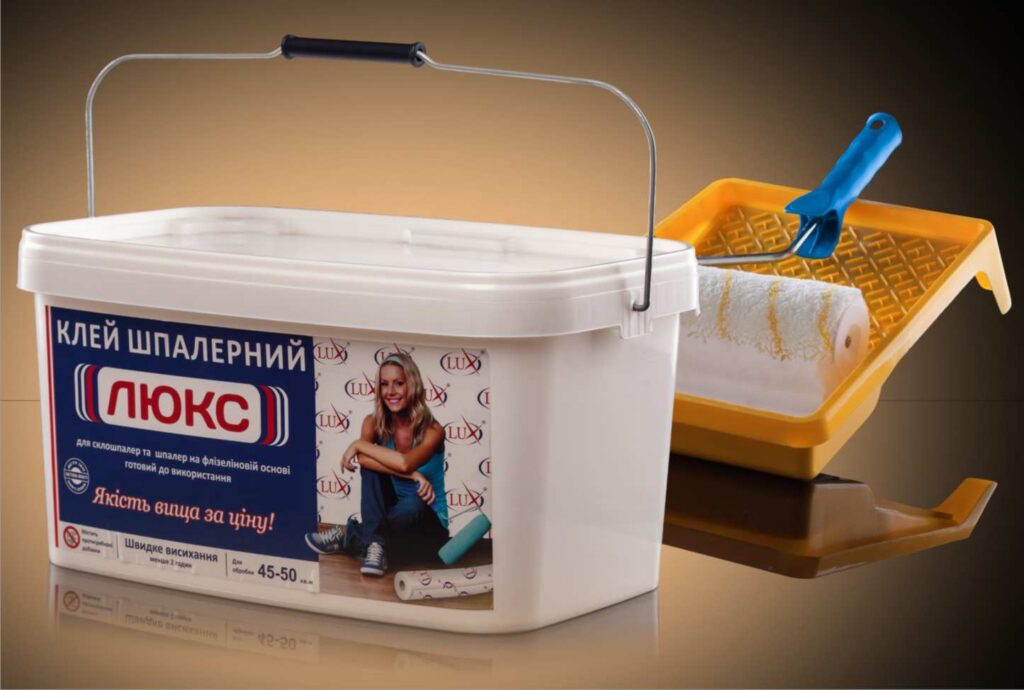
A big number of diverse materials for interior and exterior decoration of premises appear on the shelves of building centers every year, meanwhile, an assortment of construction materials for repair work has been rapidly increasing.
Read article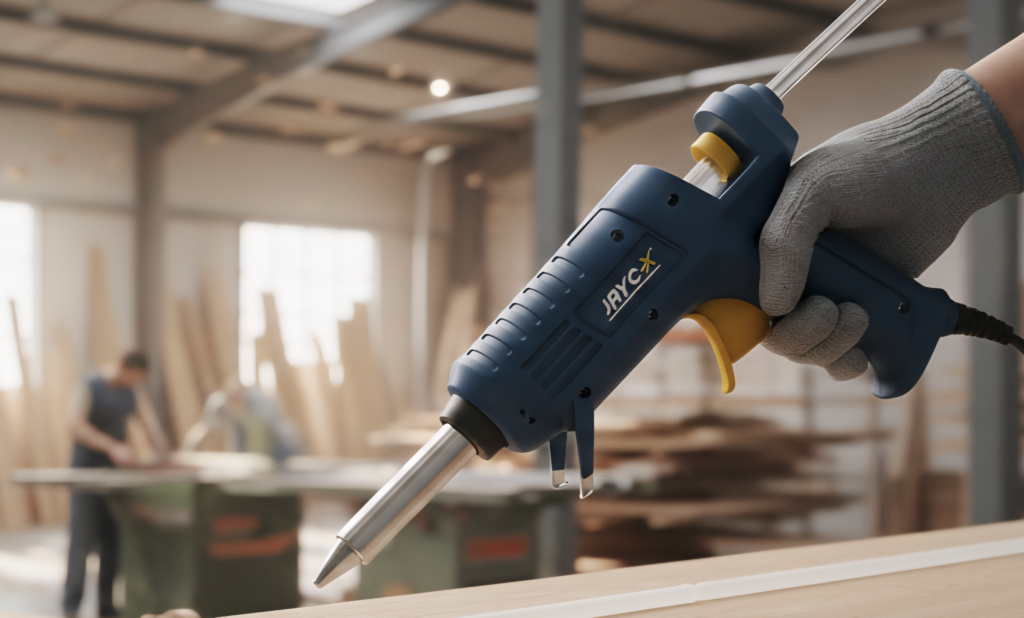
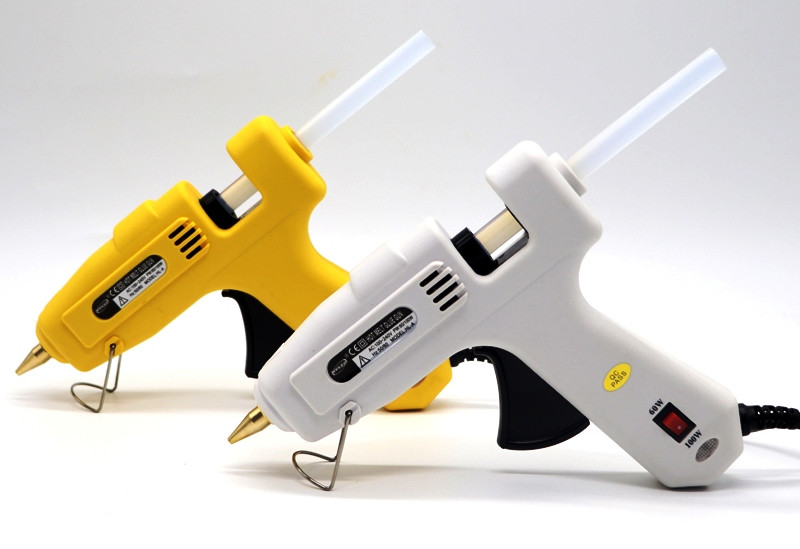
The hot glue gun is a tool used for gluing parts with the help of hot melt glue sticks. The hand-held hot glue gun softens the glue, doses it and applies onto a surface. Such a tool is simple and convenient to use.
Read article
Dear customers, Scientific and production enterprise “Lux-X” LLC, the largest producer and supplier of industrial adhesives in Ukraine, would like you to pay attention to storage, transportation, handling, application conditions in cold weather. In winter time dispersion adhesives can be delivered only by specially equipped transport, that's why we are asking you to place the orders for shipment of adhesives in advance.
Read article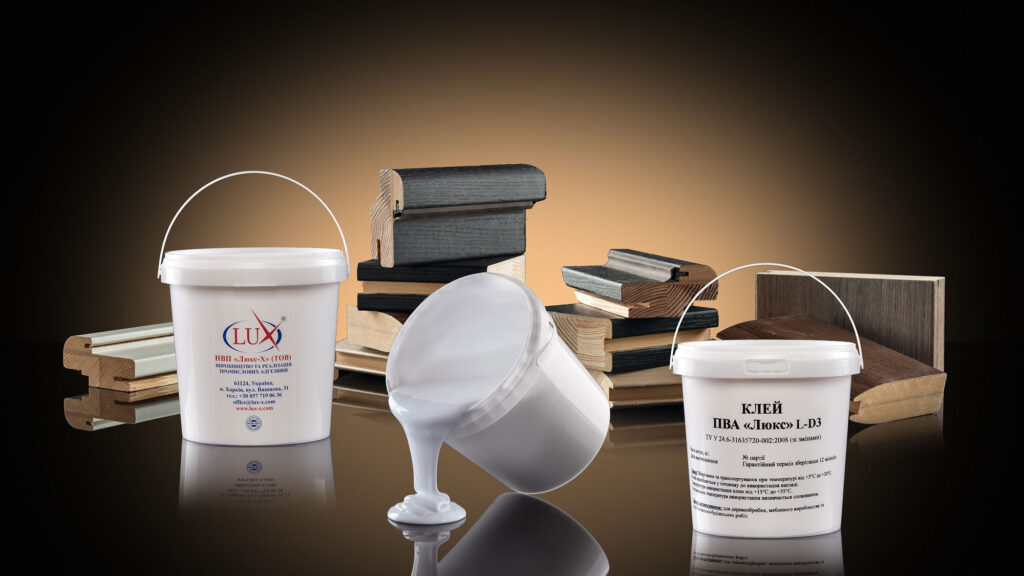
Not only ordinary people but professionals often arise a question: which wood glue is best suited for efficient bonding of substrates? To find out what types of glue with their basic characteristics and properties exist, we have prepared this article.
Read article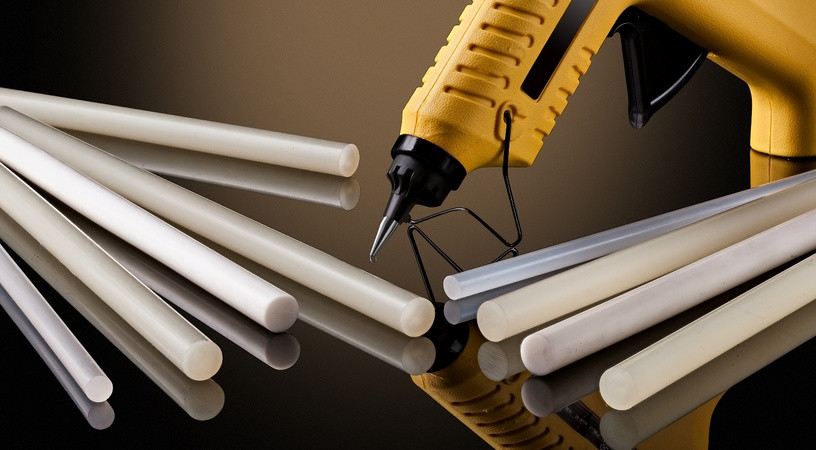
Adhesive rods are used in many industries as part of the process of manufacturing and assembling products. In addition, rods are used in everyday life. In decorative arts there is nothing more universal than gluing with a hot glue gun.
Read article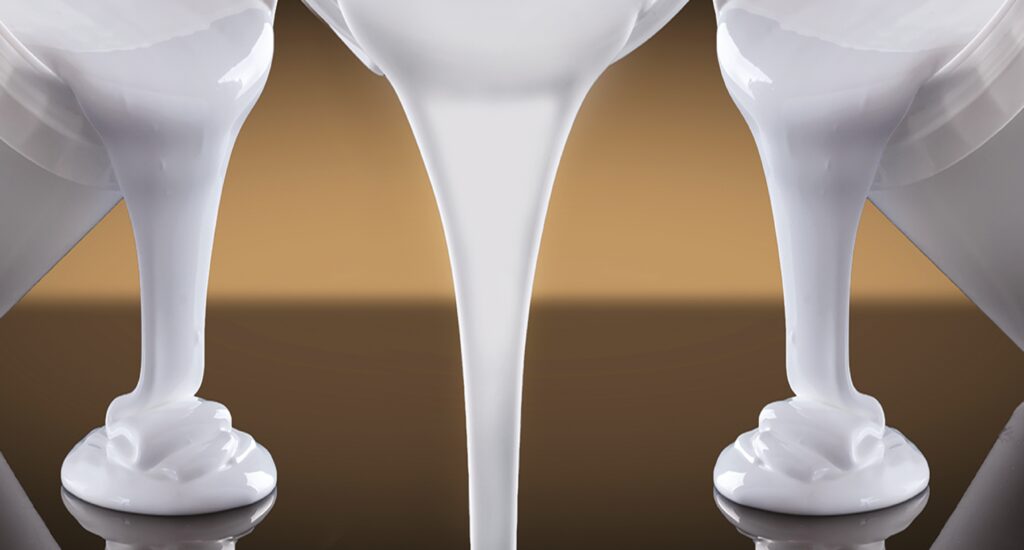
PVAc dispersion is polymerized vinyl acetate in water. The widely used PVAc adhesive is produced based on polyvinyl acetate dispersion, plasticizers and other additives. Often PVAc dispersion is called a polyvinyl acetate emulsion.
Read article
The latest packaging trends for breweries filling glass bottles emphasize sustainability, innovation, and efficiency while maintaining product freshness and enhancing visual appeal.
Read article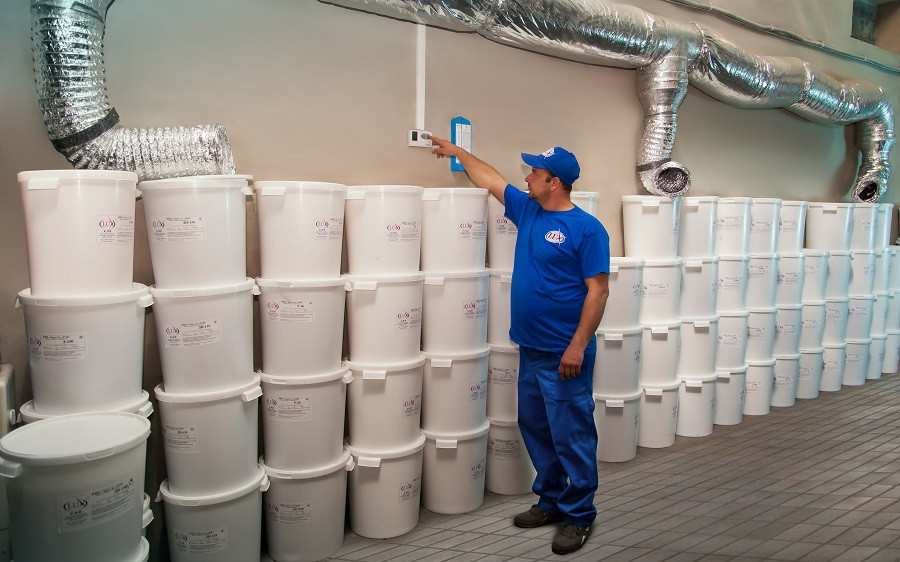
We are frequently asked about the shelf life of our adhesives, since any raw material has its own use and storage warranty period. Today we will tell you about the recommended storage duration, rules of transportation and disposal of our products: synthetic, semi-synthetic, natural dispersion adhesives, PVAc and hot-melt adhesives.
Read article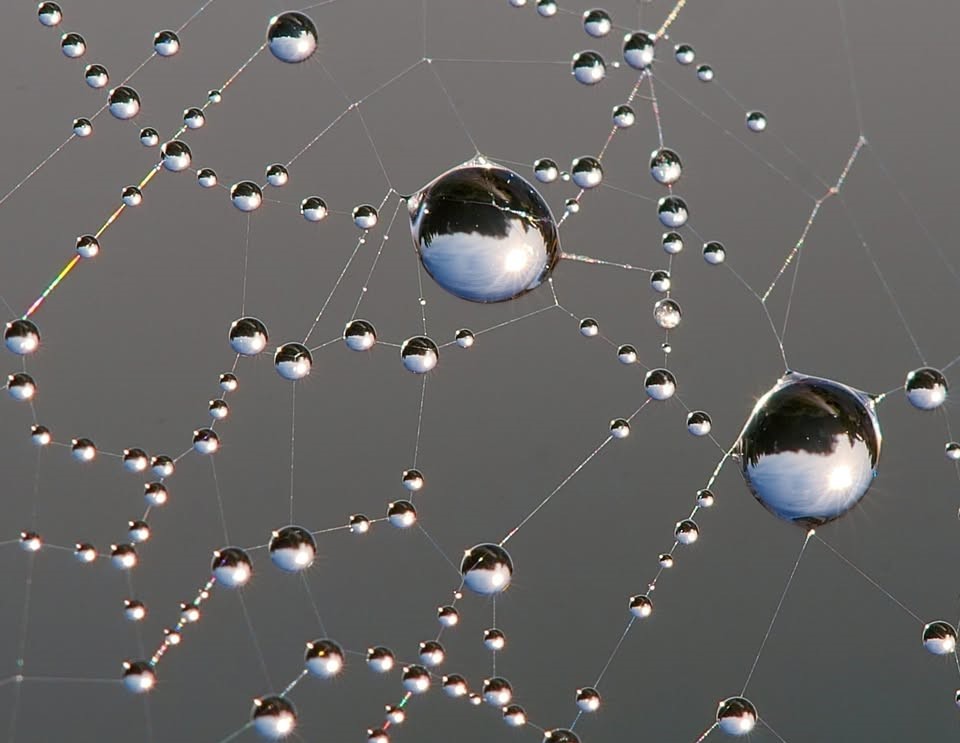
When bonding any material, regardless of the type of adhesive, the result is important, i.e. the strength of the adhesive line, its resistance to various external influences and its durability. This is due to the adhesive property.
Read article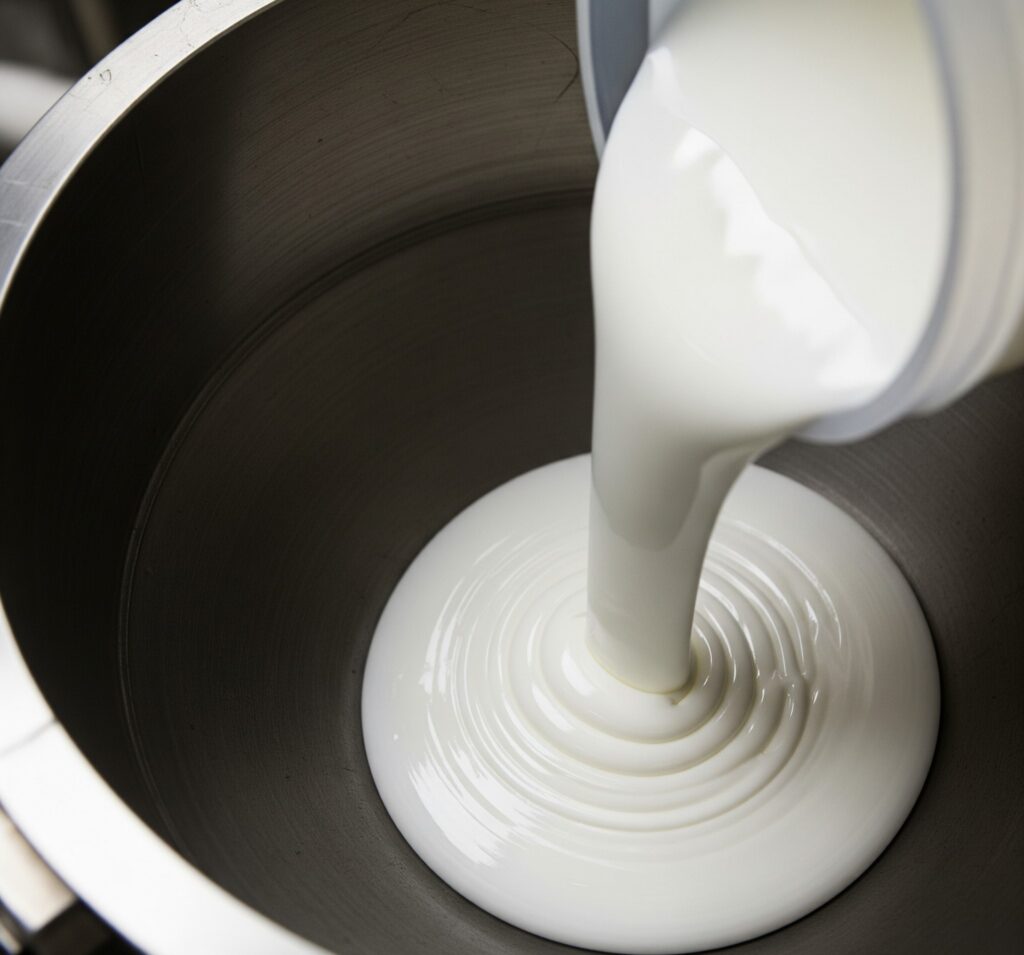
PVAс glue is considered to be the most famous adhesive for use in everyday life. Schoolchildren and their parents are familiar with PVAс glue mixtures as the best assistant for crafts made of paper, wood and cardboard.
Read article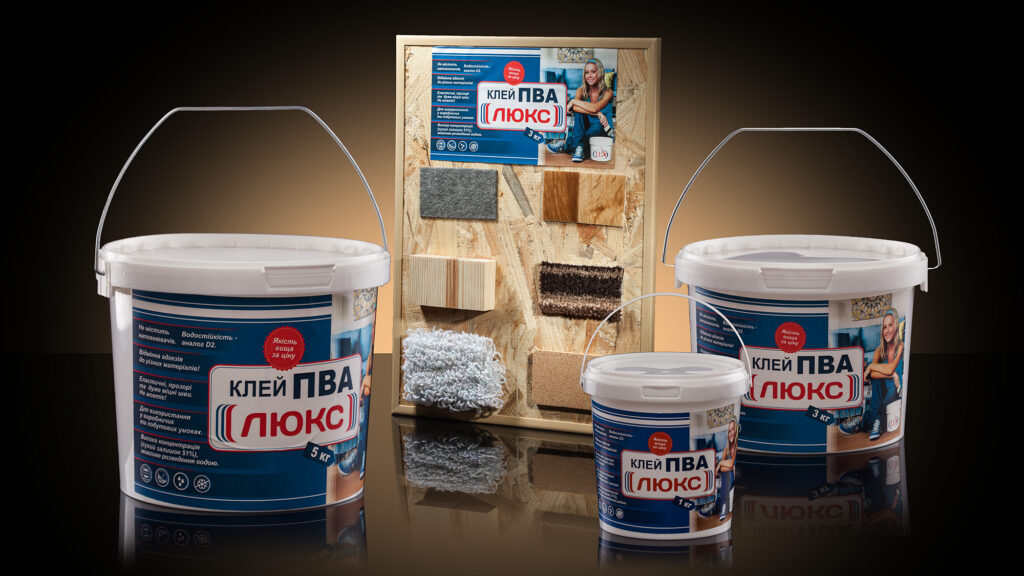
PVAC adhesive is one of the best-known and widely used adhesives in the world. Two chemists invented PVAC at the same time: a German and a Korean scientist who worked on the future product separately and in different laboratories.
Read article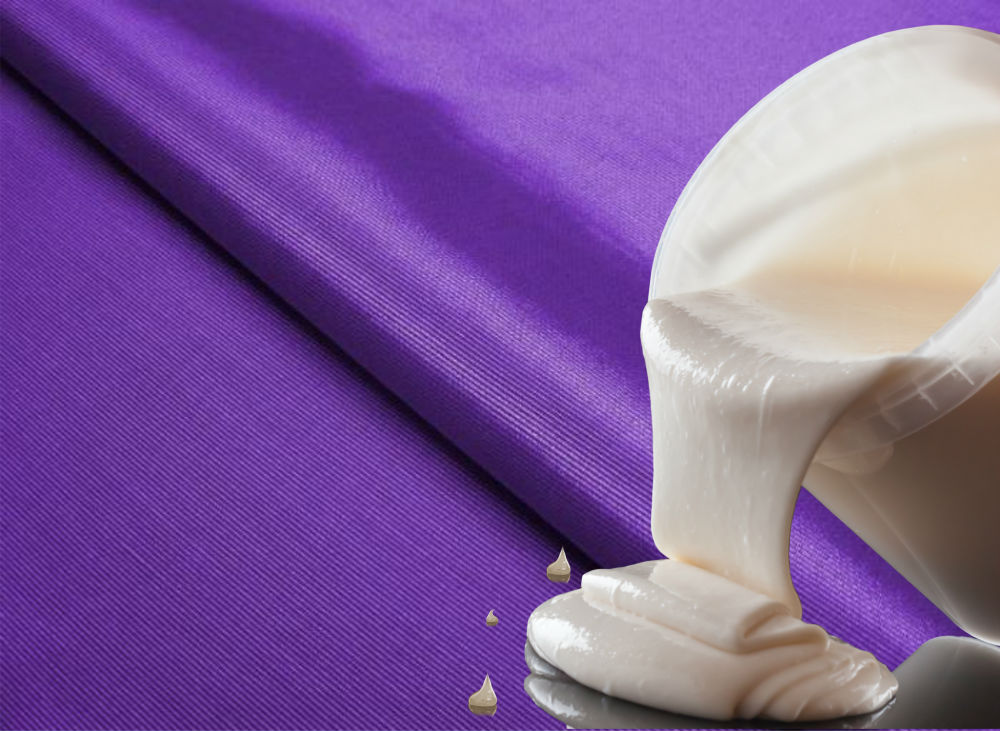
The demand for textile industry products is increasing from year to year. In this skilled trade, it is essential that the products be neat, have an aesthetic appearance, and hold their shape and color after each washing. Hence, it is difficult to do without an adhesive in textile production because not all materials can be joined using a thread and needle.
Read articlePlease wait...
We are preparing a reliable adhesive joint.